THE WARRIORS NOBLES (NOBLES GUERREROS)
martes, 25 de noviembre de 2014

jueves, 6 de noviembre de 2014
WHAT ARE THE PILLARS OF ISLAM?
What are the pillars of Islam?
The Five Pillars of Islam are the very essence of the life of a Muslim: The testimony of faith, prayer, giving zakat (support of the needy), fasting during the month of Ramadan and the pilgrimage to Mecca once in the life for those with the potential for Do It.
1) The Testimony of Faith:
The testimony of faith is saying with faith and conviction, "La ilaha illa Allah, Muhammad rasoolu Allah" means: "There is no true god but Allah, Muhammad is 1 and the messenger of Allah". The first part of the testimony means that no one has the right to be worshiped but I God and that God has neither partner nor son. This testimony of faith is called the "Shahadah" a simple formula which should be said with conviction to convert to Islam. The testimony of faith is the most important pillar of Islam.
2) Prayer:
Muslims pray five daily prayers every prayer lasts only a few minutes to perform. Prayer in Islam is a direct connection between God and the believer. There are no intermediaries between God and the believer.
In prayer, a person feels an inner peace, happiness, which is comforting, and that God is pleased with her or him. The Prophet said, {"O Bilal! Comforted by prayer.} 2 Bilal was one of the Prophet's companions who was charged to call people to prayer.
Prayers are performed at dawn, noon, mid-afternoon, sunset and night. The Muslim prayer be performed almost anywhere, such as in fields, factories, offices, universities, etc.
3) Giving Zakat (Support of the Needy):
All things belong to God, and wealth has therefore been placed in the hands of human beings only for the given. The original meaning of the word Zakat is "purification" and "growth". Give elZakat means "giving a specified percentage on certain properties to certain classes of needy people." The percentage, which is mandatory sobe gold, silver and cash has reached the amount (or the equivalent in money for cash) of approximately 85 grams of gold and that has not been used in the course of a lunar year is 2.5 percent. Our possessions are purified by setting aside a small portion of our revenues for the needy, and like the pruning of plants, this cutting back balances and encourages new growth.
A person may also give as much as you want by way of alms or charity.
4) Fasting the month of Ramadan:
Every year during the (lunar) month of Ramadan, 3 all Muslims fast from sunrise to sunset it by refraining from eating, drinking and sex.
Although fasting is beneficial to health, is considered (by Muslims) primarily as a method of spiritual self-purification, as the refrain itself from the comforts of earthly life, even for a short time, fasting creates great sympathy for those who suffer from hunger, while growing in their spiritual life.
5) Pilgrimage to Mecca:
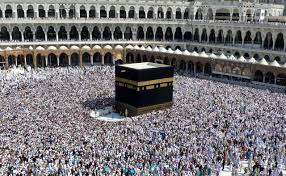
The annual pilgrimage (Hajj) to Makkah is an obligation to meet once in life, for those with physical and financial means to do it. About two million people go to Makkah each year from every corner of the planet. Although Makkah is always filled with visitors, the annual Hajj begins in the twelfth month of the Islamic calendar. Male pilgrims wear special and simple (two pieces of fabric) garments which strip away any kind of cultural distinction and class. A way for everyone to come before God without differences.
Pilgrims praying at the Haram Mosque in Mecca
Pilgrims praying at the Haram Mosque in Mecca. In this mosque is the Kaaba (the black building in the picture) toward which Muslims turn when they pray. LaKaabah is the place of worship which God commanded the Prophets Abraham and his son Ishmael built.
jueves, 30 de octubre de 2014
EMIRATO INDEPENDIENTE
EMIRATO INDEPENDIENTE
En el año 750, el califa omeya de Damasco fue destronado y su familia asesinada. Abderramán, un joven príncipe de 20 años, escapó de la masacre, se refugió en Marruecos y, después, pasó a la península Ibérica.
En la primavera de 756 se proclamó emir de Córdoba con el nombre de Abderramán I.
Durante más de 250 años, los omeya gobernaron en Al Ándalus. El título de emir independiente significaba que los gobernadores de Al Andalus dejaban de obedecer al califa de Damasco, se independizaban políticamente de él, aunque seguían reconociendo su autoridad religiosa.
En esta etapa, la situación siguió siendo inestable.
Por un lado, los francos lanzaron expediciones contra Al Andalus y conquistaron Gerona y Barcelona (801), estableciendo la Marca Hispánica en los Pirineos.
Por otro, las revueltas de ciudades como Zaragoza desafiaban la autoridad del emir.
Otras insurrecciones se desarrollaron en el corazón de la capital andalusí, en Córdoba.
A pesar de las dificultades, Al Andalus se afianzó en los siglos VIII y IX como un Estado centralizado con una rígida disciplina, donde el emir, con poder absoluto, estaba ya muy lejos de los antiguos jeques tribales árabes. La administración era eficaz y estaba profundamente jerarquizada, atendida por una larga cola de funcionarios en cuya cabeza se encontraba el visir. Al mismo tiempo se islamizaron las costumbres y el árabe se imponía como lengua cotidiana. Las dificultades se agravaron durante el último cuarto del siglo IX.
La muerte de Abderramán II coincidió con la rebelión del muladí Omar ibn Hafsun y sus hijos.
En la primavera de 756 se proclamó emir de Córdoba con el nombre de Abderramán I.
Durante más de 250 años, los omeya gobernaron en Al Ándalus. El título de emir independiente significaba que los gobernadores de Al Andalus dejaban de obedecer al califa de Damasco, se independizaban políticamente de él, aunque seguían reconociendo su autoridad religiosa.
En esta etapa, la situación siguió siendo inestable.
Por un lado, los francos lanzaron expediciones contra Al Andalus y conquistaron Gerona y Barcelona (801), estableciendo la Marca Hispánica en los Pirineos.
Por otro, las revueltas de ciudades como Zaragoza desafiaban la autoridad del emir.
Otras insurrecciones se desarrollaron en el corazón de la capital andalusí, en Córdoba.
A pesar de las dificultades, Al Andalus se afianzó en los siglos VIII y IX como un Estado centralizado con una rígida disciplina, donde el emir, con poder absoluto, estaba ya muy lejos de los antiguos jeques tribales árabes. La administración era eficaz y estaba profundamente jerarquizada, atendida por una larga cola de funcionarios en cuya cabeza se encontraba el visir. Al mismo tiempo se islamizaron las costumbres y el árabe se imponía como lengua cotidiana. Las dificultades se agravaron durante el último cuarto del siglo IX.
La muerte de Abderramán II coincidió con la rebelión del muladí Omar ibn Hafsun y sus hijos.


sábado, 11 de octubre de 2014
MUHAMMAD.
MUHAMMAD
Muhammad was born in Mecca in the Arabiam Peninsula in 571. He came from a family of rich merchants. He founded a new religion called Islam. Islam is monotheist - It says there is only on God. In 711 conquered the Iberian Peninsula, and continued into France. They created the Islamic state al-Andalus. The Muslim stayed on the Peninsula Unit 1492. According to Islam , Muhammad is considered "the seal of the prophets " ( Hatim al- Anbiya ' خاتم الأنبياء ) , being the last of a long chain of messengers sent by God to refresh your message, which according to Islam would be essentially the same [citation needed] that would have transmitted their predecessors , including Ibrahim (Abraham ) , Musa (Moses ) and Isa (Jesus ) would be counted.
.

Suscribirse a:
Entradas (Atom)